The relationship between a pet and its owner often spans years, filled with routines, companionship, and quiet trust. When that relationship ends, whether through sudden illness or old age, the emotional impact can be significant. Veterinary clinics play a central role not only in the medical care of animals but also in guiding owners through emotionally difficult stages, including the loss of a pet. This article explores how a clinic supports pet owners during such times, with a focus on practical care, emotional guidance, and respectful communication.
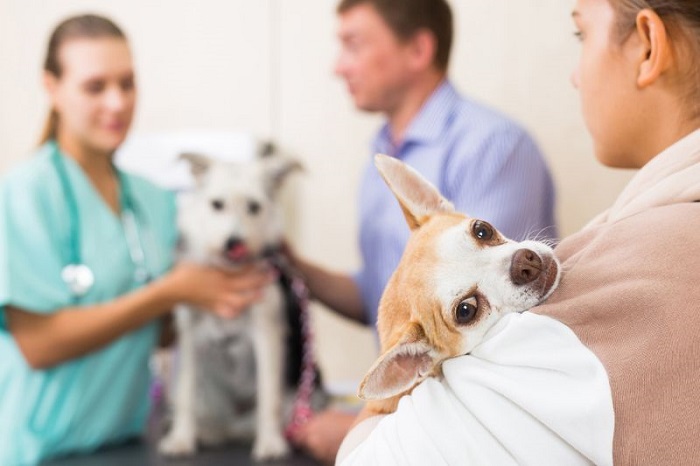
How Do Veterinary Clinics Support Pet Owners During Difficult Times?
Compassionate Communication
Veterinary professionals understand that the final phase of a pet’s life can be emotionally charged. Clear, respectful communication helps owners make informed decisions regarding treatment options, palliative care, or euthanasia. Clinics avoid pressuring the owner and instead provide a calm environment to discuss what lies ahead.
Staff members typically explain the medical condition, anticipated progression, and available choices with clarity. This allows the pet owner to consider each option without confusion. Whether the pet’s health has declined gradually or an emergency has occurred, communication remains consistent and supportive.
Private Spaces for Goodbyes
Some clinics allocate private rooms for end-of-life care, allowing owners a quiet setting to say goodbye. This space may be equipped with soft lighting and seating to make the moment more bearable. The focus remains on providing a calm atmosphere where both the pet and owner can be at ease.
In a clinica veterinaria Valencia, this area is often separate from the treatment rooms to allow privacy during emotional farewells. Staff members remain present only when needed, giving space while being available for assistance.
Grief Support and Emotional Guidance
Losing a pet can result in real grief, similar to the loss of a family member. Veterinary clinics often offer guidance or recommend local support services for those dealing with this emotional transition. In some cases, they may refer clients to grief counselors or provide literature on pet loss.
Many clinics also train their staff to recognize signs of distress in clients and to respond appropriately. While veterinary professionals are not counselors, they are trained to speak with sensitivity and awareness, recognizing the significance of the moment for the family.
Supportive Aftercare Services
Aftercare is an important component that helps pet owners feel supported even after leaving the clinic. Veterinary clinics typically offer cremation or burial coordination services. Staff assist with the necessary arrangements, helping to relieve the family of additional stress.
Some clinics also provide keepsakes, such as a paw print or a lock of fur, for those who request them. These gestures, while simple, can be meaningful during a time of loss. A clinica veterinaria Valencia might collaborate with local services to provide respectful handling of the pet’s remains in accordance with the owner’s preferences.
Conclusion
The role of veterinary clinics extends beyond physical care. During difficult times such as the loss of a pet, they offer structure, clarity, and emotional consideration. Through private spaces, thoughtful communication, aftercare services, and continued support, clinics help owners move through a difficult phase with dignity.
 Image Bloggers
Leave a comment