Rubber tablecloths are widely used in kitchens, dining areas, and commercial spaces due to their practicality and ease of maintenance. They provide a protective layer against spills, scratches, and stains while also offering a cleanable surface for regular use. However, like any household or commercial product, rubber tablecloths must be handled with care to avoid unintended safety risks. Whether you’re planning to replace an old one or planning to comprar hule for the first time, following certain precautions can help extend its usability and maintain safety.
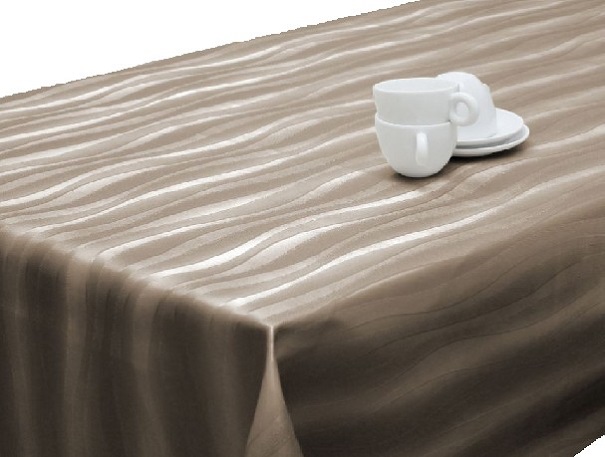
Safety Precautions To Take When Using a Rubber Tablecloth
Check for Material Quality and Certification
Before you use a rubber tablecloth, it is important to verify the quality of the material. Some rubber materials can release harmful fumes or degrade quickly under high temperatures. Look for products that comply with basic safety standards, particularly if the tablecloth is intended for surfaces where food is served. Labels indicating that the material is food-safe or free from hazardous chemicals like phthalates or BPA can guide safer usage.
Avoid High Heat Exposure
Rubber is sensitive to high temperatures. Avoid placing hot pans, pots, or dishes directly on the surface of the rubber tablecloth. Excessive heat can cause the material to warp, emit an unpleasant odor, or even melt in extreme cases. Always use trivets or heat-resistant mats when placing hot items on a table covered with rubber. This is especially important in kitchen settings where thermal exposure is frequent.
Use on a Flat and Stable Surface
To prevent slipping or movement, always lay the rubber tablecloth on a flat and stable table surface. If the table is uneven, the rubber may not sit properly, leading to folds or raised sections. These irregularities can become tripping hazards or cause dishes to tilt and fall. Smooth out the tablecloth completely after placing it, checking for any bubbles or lifted areas that need adjusting.
Store Properly When Not in Use
When the tablecloth is not in use, store it in a cool and dry area away from direct sunlight. Prolonged exposure to UV light can weaken the rubber, causing it to crack or become brittle. Avoid folding the material too tightly, as this can lead to permanent creases. Rolling it loosely and storing it horizontally can help maintain its condition for longer use.
Secure the Edges in High-Traffic Areas
In areas with a lot of movement, such as commercial kitchens or family dining spaces, the edges of the rubber tablecloth may lift or shift. Using clips or non-slip mats beneath the corners can help keep the material stable. This prevents accidental tugging or displacement, which can lead to spills or accidents.
Conclusion
Using a rubber tablecloth safely requires attention to heat exposure, material placement, and regular maintenance. Whether for home use or commercial environments, being cautious with how you use and store the table covering can make a noticeable difference in performance and longevity. If you plan to buy rubber tablecloth for your space, selecting a high-quality product and following these precautions can support a safer and cleaner environment.
 Image Bloggers
Leave a comment