Fish rely heavily on their swim bladder for buoyancy control. When this organ does not develop properly, the fish struggles to maintain balance and stability in water. This condition is commonly linked with swim bladder disease. While poor water quality, infections, or diet are often considered the main reasons, recent studies point to genetics playing a major role in swim bladder malformation. Understanding this connection can help in both prevention and treatment.
What is the Swim Bladder?
The swim bladder is a gas-filled organ located in the abdominal cavity of most bony fish. Its primary role is to regulate buoyancy, allowing the fish to move up or down in the water column without using much energy. A healthy swim bladder expands and contracts depending on the gas levels inside. When the organ is malformed, the balance of the fish is affected, and it may float uncontrollably or sink to the bottom.
How Does Genetics Influence Swim Bladder Development?
Genetics control how organs form during early development. In fish, certain genes are responsible for the proper formation of the swim bladder. If there is a mutation or disruption in these genes, the swim bladder may not inflate correctly or may form in an abnormal shape.
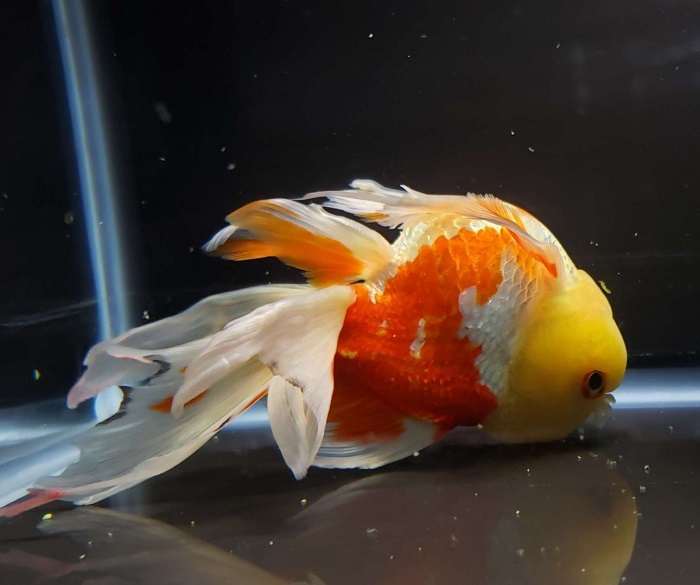
Researchers have identified that some ornamental fish, such as goldfish, are more prone to swim bladder malformation due to selective breeding. Breeding practices that favor body shapes or colors can inadvertently pass along genetic issues. Over several generations, the risk of producing fish with malformed swim bladders increases.
Hereditary Malformation vs Environmental Causes
It is important to separate hereditary malformations from those caused by external factors. Environmental issues like poor water quality, overfeeding, or bacterial infections can trigger swim bladder disease. These causes are often temporary and may be corrected with treatment or better care practices.
In contrast, hereditary malformations are present from birth. A fish born with a defective swim bladder may show symptoms early in life, and treatment options are limited. Such cases highlight the importance of genetic factors over purely environmental ones.
Common Symptoms of Genetic Swim Bladder Malformation
Fish with genetically malformed swim bladders often show specific signs, including:
- Floating upside down or on their side
- Difficulty rising from the bottom
- Staying motionless at the surface
- Struggling to swim in a straight path
Unlike cases linked to infections or diet, these symptoms tend to persist despite corrective measures. This persistence indicates that the root cause lies in the genetic structure of the fish rather than external conditions.
The Link Between Breeding and Genetic Disorders
Selective breeding has played a major role in making ornamental fish attractive and diverse. However, it can also reduce genetic diversity. Breeding fish with similar traits over generations increases the chance of hereditary issues. In some species, this practice has been directly linked to swim bladder disease caused by malformed organs.
For instance, fancy goldfish varieties with rounded bodies are more prone to these malformations. Their shortened body structure does not provide enough space for the swim bladder to develop normally. This structural limitation is genetic and cannot be corrected after birth.
Can Genetic Swim Bladder Issues Be Prevented?
While hereditary malformations cannot be fixed once they appear, prevention lies in careful breeding practices. Breeders should avoid pairing fish that show persistent swim bladder problems. Introducing genetic diversity by crossbreeding with healthier lines may reduce the chance of passing on defective genes.
For hobbyists and aquarists, the best approach is to buy fish from reliable sources that focus on healthy breeding practices rather than only physical appearance. This reduces the likelihood of acquiring fish with genetic swim bladder malformation.
Are Treatments Effective?
In cases where swim bladder disease is caused by environmental issues, treatments such as adjusting diet, improving water quality, or administering medication can bring results. However, when the problem is genetic, treatments provide little improvement. Supportive care, such as adjusting tank depth or creating resting areas, may help the fish live more comfortably, but the underlying issue remains.
Conclusion
The connection between genetics and swim bladder malformation is clear. While swim bladder disease may occur due to infections, diet, or poor conditions, hereditary malformations cannot be overlooked. Genetic factors influence how the organ forms and functions, and in many ornamental fish, selective breeding has made the problem more common.
Understanding whether the issue is environmental or hereditary is critical. Environmental problems can be fixed, but genetic malformations require prevention through responsible breeding. By focusing on genetic health, fish keepers and breeders can reduce the occurrence of this condition and improve the overall well-being of aquatic species.
 Image Bloggers
Leave a comment