Locksmithing has changed a lot from the traditional lock and key methods people used in the past. Today, security systems involve electronic locks, biometric scanners, and even smart devices connected through mobile apps. With this shift, locksmiths must stay current with modern locking technology to provide reliable services.
So, how do locksmiths keep up with these advancements while continuing to deliver prompt help, such as a 24h Locksmith service? Let’s find out.
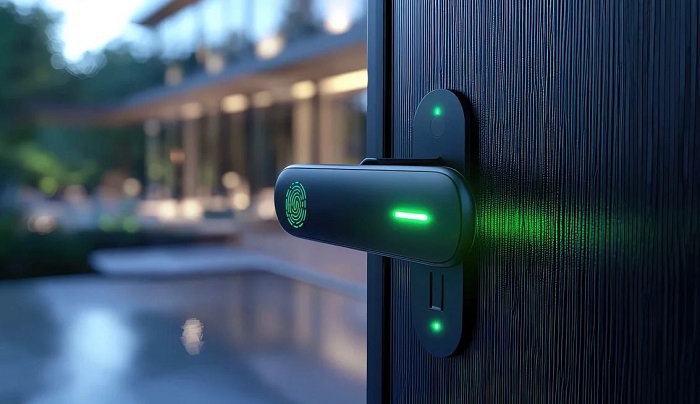
Learning Through Specialized Training
Locksmiths often undergo training courses that focus on modern locking systems. These programs are organized by lock manufacturers, security companies, or professional associations. Training usually covers the technical aspects of electronic locks, access control systems, and digital safes.
By attending such sessions, locksmiths develop the skills to work on newer systems without causing damage. This also allows them to provide the right solutions to customers who use advanced security setups in homes or offices.
Gaining Certifications
Many locksmiths choose to gain certifications that prove their knowledge in handling modern security devices. Certifications usually require passing written tests as well as demonstrating practical skills. For example, some certifications focus on automotive locks with electronic fobs, while others deal with biometric access systems.
By maintaining certifications, locksmiths show that they are equipped to handle both traditional and advanced locks. This helps build trust among customers who rely on services like a 24h Locksmith for emergencies.
Hands-On Experience with New Tools
Locksmiths invest time in practicing with new tools and devices before using them in real situations. Advanced systems often require programming tools, diagnostic equipment, or electronic bypass devices. Without proper practice, it can be difficult to fix or replace these locks.
Therefore, locksmiths usually purchase demo locks or training kits to get hands-on experience. This way, they can confidently handle similar systems when customers face urgent lockouts.
Staying Updated Through Manufacturer Guides
Lock companies often release manuals, technical guides, or online resources for locksmiths. These documents explain installation, troubleshooting, and repair methods for specific models. A professional locksmith studies these guides to keep their knowledge accurate.
For example, when a new smart lock comes out with wireless connectivity, manufacturers provide detailed instructions. Locksmiths who go through these materials can solve customer problems faster, especially during emergency services such as those handled by a 24h Locksmith.
Keeping Up With Industry Forums and Networks
Online forums and professional networks play a key role in helping locksmiths learn. Through these platforms, locksmiths share experiences, discuss challenges, and exchange tips about new technologies.
This type of collaboration creates a practical knowledge base. If one locksmith discovers an efficient way to fix a certain smart lock, others can learn from that information. Such shared knowledge allows locksmiths to adapt quickly when new devices enter the market.
Attending Security Exhibitions and Trade Shows
Locksmiths also visit trade shows and exhibitions where companies display the latest locking technologies. At these events, locksmiths can interact directly with manufacturers and explore new systems before they reach the general market.
This exposure helps them prepare for customer requests involving advanced locks. It also allows locksmiths to compare products, ask technical questions, and practice with demo models.
Continuous Learning Through Real-World Cases
Even with all the training and certifications, locksmiths often learn the most from real cases. Every lockout, repair, or installation presents a different scenario. By working directly on these cases, locksmiths sharpen their skills and build confidence in handling modern security systems.
For example, a locksmith dealing with a malfunctioning biometric scanner in an office may learn a new troubleshooting step that isn’t listed in manuals. Such real-world lessons improve their ability to respond to customer needs at any time of the day, similar to how a 24h Locksmith operates.
Conclusion
Modern locking technology requires locksmiths to adapt continuously. They keep themselves updated through specialized training, certifications, manufacturer guides, and hands-on practice. Networking, exhibitions, and real-world experiences further add to their knowledge.
 Image Bloggers
Leave a comment