Real estate has always been the cornerstone of long-term wealth, yet location dominates every conversation. Investors may analyze numbers, but geography often dictates survival or downfall. The neighborhood pulse, infrastructure, and growth potential shape property destiny. Markets can crash, yet prime addresses sustain resilience. Today, we unpack why location is the decisive factor. This is not about property walls, but the soil beneath them.
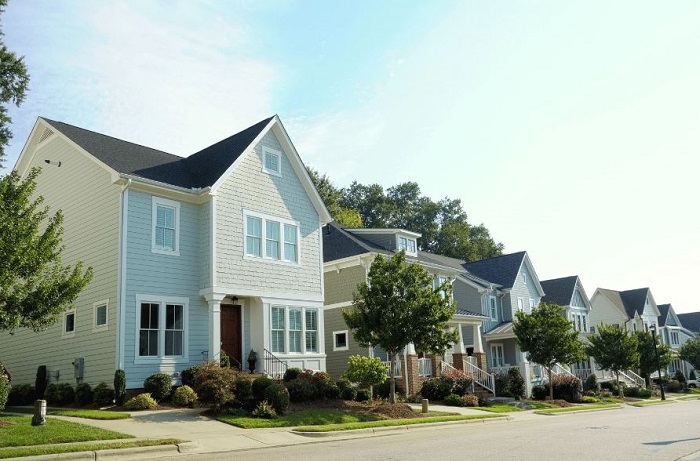
Where the ground tells stories
Every property sits within an ecosystem that frames its value narrative. A house in isolation may crumble without community energy surrounding it. Streets, schools, and commercial rhythm create invisible currents that boost property worth. Investors cannot ignore the cultural fabric that enhances desirability and permanence. In real estate, geography is more than coordinates; it becomes economic theater. Inmobiliarias Xativa often showcase how micro-geographies influence prosperity.
When infrastructure fuels destiny
No property thrives in a vacuum without arteries of infrastructure breathing life into it. Highways, airports, and transit systems sculpt the trajectory of investment appreciation. Investors instinctively trust regions with planned growth and constant upgrades in connectivity. A property close to economic lifelines gains stability during turbulence and volatility. Infrastructure not only attracts residents but also industries seeking accessibility and speed. That fusion between place and progress becomes unstoppable leverage.
The culture that shapes demand
Every neighborhood carries a cultural fingerprint that seduces or repels prospective buyers. Vibrant dining, art, and lifestyle amenities forge communities that command premium attention. Investors must decode these cultural signals to understand why people gravitate toward certain areas. It is not only about price but also about aspirational value attached to the ground. When culture thrives, demand becomes sticky, resilient, and resistant to economic downturn. Real estate prospers where human desire finds roots.
Safety and perception create trust
Perception can outweigh statistics when buyers evaluate neighborhoods for long-term living. A community marked by safety generates emotional trust that no numbers can replicate. Investors often underestimate how crucial stability is when families choose permanence. Crime rates, lighting, and community vigilance transform silent streets into attractive assets overnight. Perception can inflate property desirability beyond logical financial reasoning or numerical projection. Trust, once earned, cements value with unshakable permanence.
Growth momentum drives the future
The sharpest investors read future blueprints before the public even senses them. Zoning plans, corporate relocations, and government projects signal explosive potential in specific regions. Momentum attracts capital, residents, and businesses hungry for growth’s gravitational pull. Properties in rising zones ride an unstoppable wave, often outperforming stagnant established markets. Timing the entry becomes less luck and more about decoding momentum early. Growth zones define tomorrow’s wealth reservoirs long before headlines confirm them.
Conclusion
Location transcends walls, bricks, and architecture, transforming real estate into living capital. It dictates appreciation, secures demand, and protects investments from cyclical turbulence. Investors who ignore geography gamble recklessly with unpredictable futures. The map, not the structure, often tells the truest wealth story. In real estate, location remains the eternal law that governs success.
 Image Bloggers
Leave a comment