Commercial storefront installations require materials that are both functional and long-lasting. Among the most common materials used are aluminum and steel. Each comes with its own set of advantages and drawbacks, and the choice between the two often depends on cost, appearance, and long-term benefits. By understanding the strengths of aluminum and steel, businesses can make informed decisions for their storefront projects.
Aluminum vs Steel For Commercial Storefront Installations
Cost Advantages of Aluminum
Aluminum storefronts generally offer lower upfront costs compared to steel. The material is lighter, which reduces the expense of transportation and installation. Because of this, many service providers such as carpinteria aluminio Valencia recommend aluminum for businesses seeking budget-friendly installations.
Another advantage is that aluminum requires minimal maintenance. It is naturally resistant to rust and corrosion, which reduces the long-term expenses associated with repainting or protective treatments. For businesses located in areas with high humidity or near coastal regions, this property can be particularly beneficial.
Cost Advantages of Steel
While steel storefronts typically involve a higher initial cost, they provide considerable value in terms of durability and strength. Steel is a heavier and more resilient material compared to aluminum, making it ideal for storefronts exposed to heavy traffic or the possibility of impact. The additional strength can reduce repair costs over time.
Steel also offers better insulation properties than aluminum, which may contribute to energy savings in the long run. For businesses where climate control is important, this factor can provide noticeable financial benefits.
Durability and Maintenance Considerations
Aluminum excels in resisting corrosion, but it is softer and more prone to dents or scratches compared to steel. For storefronts in areas where physical wear is frequent, steel may prove to be a better investment despite its higher initial expense.
On the other hand, steel requires protective coatings to prevent rust, especially in moist environments. Without regular maintenance, steel can lose its appearance and structural integrity over time. In contrast, aluminum does not need such coatings, giving it an edge in terms of maintenance costs.
Aesthetic and Functional Differences
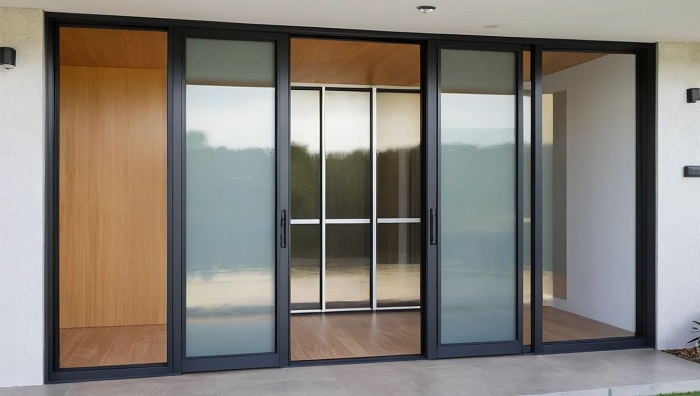
Aluminum is easier to customize and can be shaped into various designs. Its lightweight nature allows for sleek profiles, which are often preferred for modern storefronts with large glass panels. This makes aluminum a popular choice in projects where appearance plays a significant role.
Steel, however, conveys a sense of strength and stability. Its heavier frames can be visually appealing for businesses that want to project durability. While it may not allow for the same slim designs as aluminum, it offers a sturdy and reliable look.
Long-Term Value Comparison
Over the lifespan of a storefront, both materials can deliver value depending on the circumstances. Aluminum tends to be more cost-effective due to its resistance to corrosion and lower maintenance requirements. It is particularly suitable for businesses that want a practical solution with minimal upkeep.
Steel offers long-term benefits for businesses that require added strength and security. Even though the upfront investment is higher, the durability of steel may reduce replacement costs over time. The decision ultimately depends on balancing the need for corrosion resistance with the demand for structural strength.
Conclusion
Aluminum and steel both present clear advantages for commercial storefront installations. Aluminum is cost-effective, easier to maintain, and ideal for sleek modern designs. Steel, on the other hand, provides unmatched strength and durability, making it suitable for high-traffic areas or businesses seeking extra security.
 Image Bloggers
Leave a comment