Retail stores face a significant security challenge once the doors are closed for the day. While staff and customers go home, the store is left vulnerable to break-ins, theft, and vandalism. To protect inventory, property, and sensitive customer information, it is important to implement reliable after-hours security measures. This guide will explain the most effective strategies stores can use to safeguard their premises when no one is around.
What Security Measures Should Retail Stores Implement After Hours?
Install High-Quality Locks
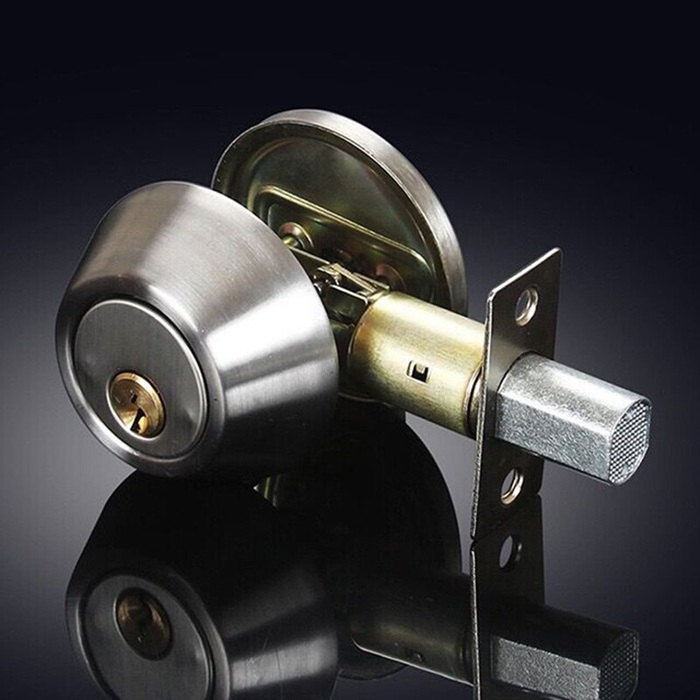
The first line of defense for any store is its locking system. Standard locks can be forced open with relative ease, so using commercial-grade deadbolts or electronic locks is a much better option. Consider working with a professional such as Locksmith Service Durham to upgrade locks on entry doors, storage rooms, and cash-handling areas.
Regular inspection of locks is equally important. Over time, even the strongest lock may weaken due to wear and tear. By conducting routine checks and replacing faulty locks immediately, a store reduces the chance of unauthorized access after hours.
Reinforce Entry Points
Doors and windows are the most common access points for intruders. Even with strong locks, weak doors or thin window glass can make forced entry easier. Solid steel or reinforced doors can withstand impact, while laminated or tempered glass adds another layer of protection against breakage.
Window bars or security grilles provide additional defense, especially for stores located in areas with higher crime rates. While these measures may seem basic, they create a physical barrier that discourages opportunistic break-ins.
Install a Reliable Alarm System
An alarm system is one of the most effective deterrents for after-hours intrusions. Modern systems include motion detectors, door and window sensors, and glass-break detectors. When triggered, they immediately alert monitoring centers or local authorities.
Choose an alarm system with remote access features. This allows store managers or owners to monitor alerts and activity logs directly from a mobile device. Such systems not only detect unauthorized access but also provide peace of mind that the premises are being watched at all times.
Use Surveillance Cameras
CCTV cameras are critical for both prevention and investigation. Visible cameras placed near entrances, exits, and cash registers discourage criminals from attempting break-ins. For maximum effectiveness, cameras should also be placed at less obvious points such as side doors, delivery areas, and storage rooms.
Modern surveillance systems can store recordings in the cloud, making them accessible even if physical devices are damaged or stolen. Clear, high-definition footage can also support law enforcement in identifying suspects if an incident occurs.
Secure the Cash and Valuables
Leaving cash or valuables inside the store overnight increases the risk of theft. Cash registers should be emptied after hours, with money stored in a safe that is anchored to the floor or wall. Safes with time-delay mechanisms add another layer of protection by preventing immediate access.
Jewelry stores, electronics retailers, and other businesses with high-value items should consider locking inventory in secure display cases or vaults after closing. Minimizing visible valuables makes the store a less attractive target.
Strengthen Exterior Lighting
A poorly lit storefront is more inviting to intruders. Bright exterior lighting makes suspicious activity visible to passersby and surveillance cameras. Motion-activated floodlights near entrances, parking lots, and alleys are especially effective. They reduce energy usage while providing light only when needed.
Regular maintenance of lighting systems is necessary. Burned-out bulbs or malfunctioning motion sensors can create dark spots, which intruders may exploit. Keeping these systems in good condition reduces vulnerabilities.
Implement Security Patrols
For larger retail stores or shopping centers, hiring a professional security patrol service adds an active layer of protection. Patrol officers can monitor the area at regular intervals, deterring potential break-ins through visible presence.
Some services also provide real-time reporting through mobile apps, where store owners can track patrol activity. While this option may not be necessary for every store, it is highly effective for businesses in high-risk neighborhoods or those with large properties.
Control Access to Keys
Keys are often overlooked in retail security planning. Lost or stolen keys can provide direct access to a store without leaving signs of forced entry. To reduce this risk, limit the number of employees who have access to keys.
When an employee leaves the company, rekey the locks or upgrade to electronic access systems. Professional services like Locksmith Service Durham can quickly rekey locks or install access control systems, helping stores maintain control over who enters the premises.
Protect Digital Systems
Retail security is not limited to physical threats. Many stores rely on digital systems such as point-of-sale software, security apps, and inventory databases. Cybersecurity breaches can cause as much damage as physical theft.
Protect these systems by updating software regularly, using strong passwords, and restricting access to authorized personnel only. Combining physical and digital security creates a comprehensive protection plan.
Train Staff on Security Protocols
Even the best security systems are ineffective if staff members do not follow procedures. Employees should be trained on closing routines, including locking doors, setting alarms, and securing cash.
Clear checklists can help staff follow the correct steps without missing important tasks. Regular refresher training is also valuable, as it reinforces security awareness and prepares staff to respond to unusual situations.
Work with Professional Security Services
Sometimes, external expertise is necessary. Security consultants can perform an audit of a retail store to identify vulnerabilities and recommend improvements. Locksmiths, alarm system providers, and surveillance companies each play a role in creating a secure environment.
In areas such as Durham, many store owners choose Locksmith Service Durham to maintain and upgrade locks or provide emergency lockout assistance. Partnering with reliable professionals saves time and reduces the chance of oversight in critical areas.
Plan for Emergency Situations
Even with multiple security measures in place, unexpected incidents may still occur. Having a clear emergency response plan helps minimize damage. This includes knowing whom to contact for immediate repairs, how to report a break-in, and what steps to take to secure the store afterward.
Maintaining a list of emergency contacts, such as locksmiths, alarm service providers, and local authorities, ensures that help can be accessed quickly in urgent situations.
Conclusion
Retail stores cannot afford to overlook after-hours security. From strong locks and reinforced entry points to surveillance systems and staff training, each measure adds a layer of protection against potential threats. Working with professionals like Locksmith Service Durham further strengthens these efforts, making sure that doors, safes, and access systems remain reliable.
By adopting these practical measures, retail stores can greatly reduce risks and safeguard both property and valuables during off-hours. Security is a continuous process, and consistent attention to these steps provides the confidence that the store remains protected long after closing time.
 Image Bloggers
Leave a comment