Air conditioners are essential for keeping indoor spaces cool and comfortable. However, one common problem many homeowners face is water leaking from the unit, even when it is switched off. This can be frustrating and may cause damage to walls, ceilings, and furniture. Understanding the reasons behind this issue can help in addressing it effectively.
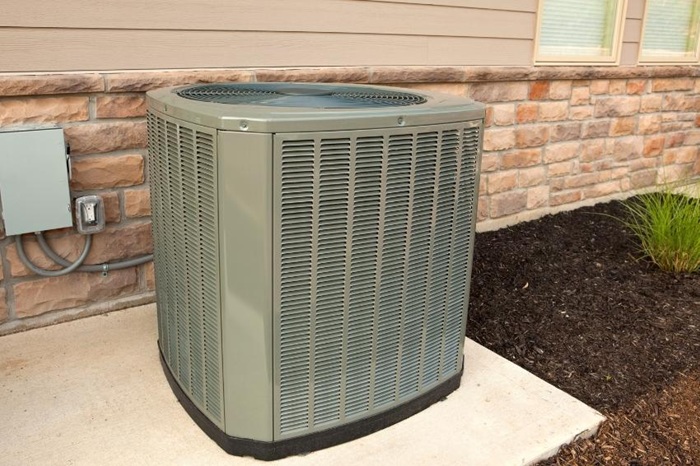
One of the main reasons for water leakage is a clogged or dirty drain pipe. During operation, air conditioners produce condensation that is directed through a drain pipe to the outside or to a drain pan. If this pipe gets blocked with dust, mold, or debris, water cannot flow out as intended and starts accumulating, eventually dripping even when the AC is turned off.
Another possible cause is a misaligned or damaged drain pan. The pan collects condensation during cooling, and if it is cracked or not positioned correctly, water may overflow. Over time, vibrations or improper installation can shift the pan, resulting in leaks.
Ice formation on the evaporator coil can also contribute to this problem. If the coil freezes during operation due to low refrigerant levels or restricted airflow, the melting ice after the AC is turned off can cause water to drip. This is often accompanied by reduced cooling efficiency and unusual sounds.
Poor insulation on cooling pipes is another factor. Condensation can form on the surface of poorly insulated pipes, leading to dripping water. This often happens in humid environments where the temperature difference between the pipes and surrounding air is significant.
Finally, installation issues may cause leakage. If the unit is not leveled properly on the wall or ceiling, water will not flow toward the drain pipe naturally, resulting in dripping even when the AC is off.
To address these issues, regular maintenance is crucial. Cleaning the drain pipe, inspecting and adjusting the drain pan, checking insulation, and examining refrigerant levels can reduce the likelihood of leaks. For many homeowners, learning how to stop water leak from AC involves a combination of simple DIY steps and occasional professional servicing.
In conclusion, water leaking from an air conditioner when it is off is usually linked to drainage, ice formation, insulation, or installation problems. Addressing these factors promptly can protect your home from water damage and maintain the efficiency of your AC. Following routine checks and maintenance can help prevent leaks, making your air conditioner more reliable over time. For persistent problems, consulting a technician may be necessary, and knowing how to stop water leak from AC can save both time and cost.
 Image Bloggers
Leave a comment