Planning a wedding is an exciting process, and for couples from different cultural or religious backgrounds, there are additional considerations that can make the celebration meaningful for everyone involved. Thoughtful preparation and clear communication are key to creating a day that reflects both traditions.
Start with Open Communication
The first step in planning a multicultural or interfaith wedding is to have open discussions with your partner about important aspects of the ceremony. Talk about which rituals or customs are essential to include, and which elements can be combined or adjusted. Having a shared understanding early in the process will help prevent misunderstandings later.
Coordinate with Families
Families often play a significant role in wedding planning. In multicultural or interfaith celebrations, different family expectations can arise. Schedule meetings with both families to discuss key preferences, traditions, and any potential concerns. This approach helps in creating a ceremony that respects both sides while maintaining harmony during preparations.
Work on Ceremony Structure
Consider how to structure the ceremony to include meaningful rituals from both cultures or religions. This could involve alternating readings, prayers, or symbolic gestures so that each tradition is represented fairly. Clear scheduling and coordination will allow the ceremony to flow smoothly without feeling rushed or disjointed.
Plan for Attire and Decor
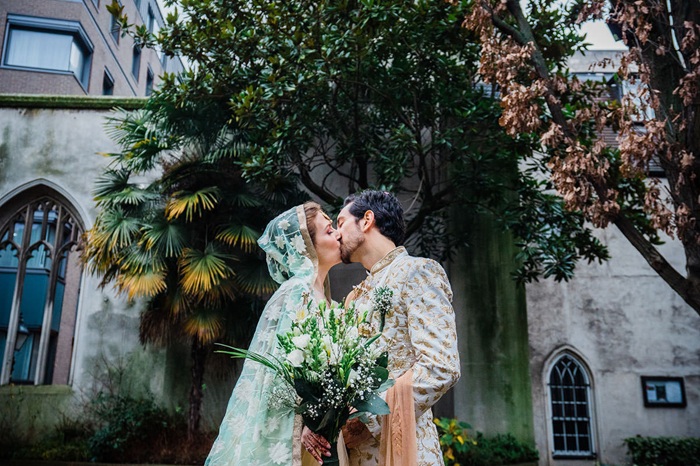
Outfits and decor can play an important role in reflecting different traditions. Couples may choose to incorporate clothing styles, colors, or symbols from each culture into the attire and decorations. This can create a visually balanced setting and give guests a sense of inclusion.
Manage Invitations and Communication
Be mindful when preparing invitations, as language or phrasing may differ between cultures or religions. Providing clear information about the ceremony format, dress code, and other relevant details helps guests feel prepared and comfortable. Including a brief explanation of rituals can also prevent confusion and foster appreciation for both traditions.
Food Considerations
Catering is another area where thoughtful planning matters. Guests may have dietary restrictions or preferences based on their cultural or religious practices. Offering a menu that accommodates these needs while still reflecting the couple’s tastes can make the celebration enjoyable for everyone.
Work with Experienced Vendors
Vendors with experience in multicultural or interfaith weddings can provide guidance on blending traditions smoothly. They can offer practical advice on ceremony timing, decor arrangement, and other logistical details, which helps the day run efficiently.
Conclusion
A wedding that honors multiple cultures or religions can be meaningful and memorable with careful preparation and attention to detail. By communicating openly, coordinating with families, and planning each element thoughtfully, couples can create a celebration that reflects both backgrounds and provides a positive experience for all guests.
 Image Bloggers
Leave a comment