Educational toys play an important role in early childhood learning. Children naturally learn by doing—touching, building, testing, and repeating actions until they understand how things work. Toys that support this process allow children to explore ideas at their own pace while developing essential skills. Rather than relying on passive instruction, these toys encourage hands-on interaction, which supports steady cognitive and physical growth. This article explains how educational toys contribute to learning through exploration and why they matter in early education.
Learning Through Hands-On Interaction
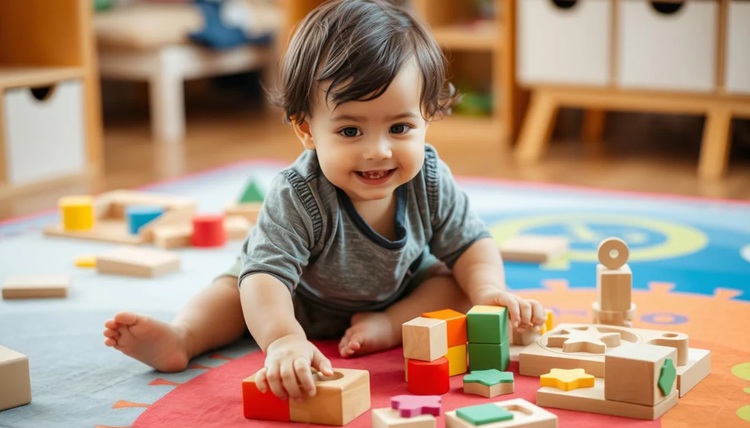
Children understand concepts faster when they can physically interact with objects. Educational toys allow them to pick up, move, stack, sort, and assemble items, which helps connect actions with outcomes. For example, shape sorters teach spatial awareness, while building blocks introduce balance and structure. Through repeated use, children begin to predict results and adjust their actions. This trial-and-error process strengthens reasoning skills and builds confidence without external pressure.
Encouraging Curiosity and Independent Thinking
Exploration begins with curiosity. Educational toys often present open-ended activities that do not rely on fixed instructions. This allows children to experiment freely and come up with their own solutions. When a child figures out how pieces fit together or how a toy reacts to movement, they learn to think independently. This type of learning supports problem-solving and decision-making skills, which are vital during early development.
Supporting Cognitive Development
Many educational toys are built around simple concepts such as numbers, letters, colors, and patterns. When children interact with these toys, they gradually absorb information through repetition and play. Puzzles help with memory and logic, while counting toys improve basic math understanding. This approach explains how toys help kids in early education by turning learning into an active process rather than a passive one. Children remain engaged longer because they are involved in the task instead of simply observing.
Improving Motor Skills Through Play
Exploration often involves physical movement, which plays a key role in motor development. Toys that require gripping, twisting, stacking, or pressing help refine fine motor skills. Larger toys that involve pushing or pulling support gross motor development. Over time, these activities improve hand-eye coordination, muscle control, and balance. These skills later support writing, drawing, and other classroom activities.
Building Language and Communication Skills
Educational toys also contribute to language development. Toys with pictures, symbols, or sound elements encourage children to name objects, describe actions, and ask questions. When children play with others, they naturally practice communication by explaining ideas or sharing roles. This form of interaction strengthens vocabulary and sentence formation. Even solo play can improve language skills as children talk through actions or repeat words linked to the toy.
Learning Cause and Effect Relationships
Understanding cause and effect is a core part of early learning. Toys that react to actions—such as buttons triggering sounds or blocks falling when stacked incorrectly—help children connect actions with results. Through exploration, children learn that choices lead to outcomes. This understanding forms the base for logical thinking and prepares children for more structured learning later on.
Encouraging Focus and Patience
Many educational toys require time and repeated effort to complete tasks. Whether solving a puzzle or building a structure, children learn to stay focused and patient. Exploration teaches them that mistakes are part of learning. Over time, this builds persistence and attention span. These traits are valuable for classroom learning, where tasks often require sustained effort.
Supporting Social Development Through Shared Play
When children explore toys together, they learn social skills such as sharing, taking turns, and cooperating. Group play introduces basic teamwork and helps children understand different viewpoints. Educational toys often encourage collaboration, which supports emotional growth alongside cognitive learning. These experiences help children feel comfortable working with others in learning environments.
Conclusion
Educational toys support learning by allowing children to explore ideas through direct interaction. They promote curiosity, strengthen motor and thinking skills, and help children understand basic concepts naturally. Through exploration, children gain confidence in their abilities and develop skills that support future learning. By encouraging hands-on play, educational toys remain a valuable part of early childhood development and learning experiences.
 Image Bloggers
Leave a comment