Hydraulic hoses are an important part of many hydraulic systems. They carry pressurized fluid between different components and help the system perform its intended functions.
In certain instances, a damaged or worn hose can affect the performance of the entire hydraulic system. If the problem is not identified at the right time, it can lead to fluid leakage, equipment downtime, and other failures.
Therefore, choosing the right hydraulic hose supplier can support a preventive maintenance program and help identify hose related problems before they become major issues.
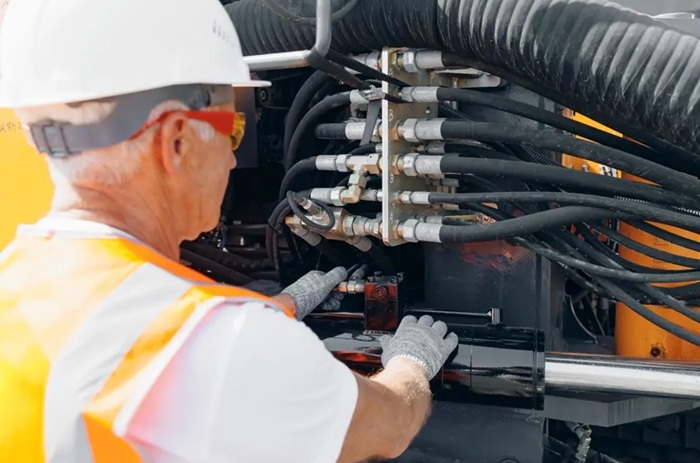
What is Preventive Maintenance for Hydraulic Hoses?
Preventive maintenance is the process of checking hydraulic system components regularly and fixing potential problems before they result in equipment failure.
Hydraulic hoses can develop cracks, abrasions, leaks, and other forms of damage during regular operation. These problems may not immediately stop the equipment from working, but they can become serious over time.
A suitable hydraulic hose supplier can provide the required hoses, fittings, technical information, and replacement support for regular maintenance activities.
Regular Hose Inspection Support
Regular inspection is one of the important parts of preventive maintenance.
A hydraulic hose supplier can help you identify the right hose for a particular application based on pressure, temperature, fluid compatibility, and operating conditions.
With the right hose specification, maintenance teams can inspect the hose and determine whether it is still suitable for continued operation.
The inspection can include checking for:
- Cracks on the hose surface
- Abrasion or external damage
- Fluid leakage
- Damaged fittings
- Bulging areas
- Kinks or sharp bends
- Loose connections
Identifying these problems early can help maintenance teams replace the hose before it fails completely.
Providing the Right Replacement Hoses
Hydraulic hoses have a limited service life and they may eventually need replacement even when there is no visible damage.
A hydraulic hose supplier can provide replacement hoses according to the specifications required by the hydraulic system.
This is important because using an unsuitable hose can affect system performance and may result in premature failure.
The supplier can provide information about hose size, pressure rating, temperature range, and fluid compatibility. This information can help maintenance teams select the correct replacement.
Maintaining a Supply of Spare Hoses
Preventive maintenance programs often require spare components to be available before they are needed.
If a hydraulic hose fails unexpectedly, waiting for a replacement can increase equipment downtime. Keeping commonly required hoses in stock can reduce this delay.
A hydraulic hose supplier can help determine which hoses are frequently used in the equipment and provide the required replacements.
Maintenance teams can then keep suitable spare hoses available for scheduled maintenance and unexpected failures.
Supporting Proper Hose Installation
Installing a hydraulic hose incorrectly can reduce its service life.
For example, excessive bending, twisting, improper routing, or loose fittings can cause the hose to fail earlier than expected.
A hydraulic hose supplier can provide installation information and recommendations for the hose being supplied.
Maintenance workers can use this information while replacing old hoses or installing new ones.
The hose should be routed correctly and the fittings should be properly connected. It should also have enough flexibility for the movement required by the equipment.
Helping With Hose Selection
Different hydraulic applications require different types of hoses.
A hose used in high pressure equipment may have different requirements from a hose used in a low pressure application. Temperature, hydraulic fluid, movement, and external conditions can also affect hose selection.
Therefore, selecting a hose only by its size may not be enough.
A hydraulic hose supplier can help maintenance teams identify the appropriate hose specifications for their equipment. This can reduce the possibility of using the wrong hose during preventive maintenance.
Reducing Unexpected Equipment Downtime
Unexpected hydraulic hose failure can stop machinery from operating.
In industrial equipment, even a short period of downtime can affect production activities. Regular hose inspection and timely replacement can reduce the chances of sudden failure.
A reliable hydraulic hose supplier can support this process by providing replacement hoses when required and helping maintenance teams identify suitable products.
This allows maintenance work to be planned instead of waiting for a complete hose failure.
Supporting Maintenance Planning
Preventive maintenance works better when inspections and replacements are properly planned.
Maintenance teams can record the condition of hydraulic hoses and identify hoses that may require replacement in the future.
A hydraulic hose supplier can support this process by helping identify suitable replacement products and providing consistent supply for commonly used hose types.
This can make hose replacement easier during scheduled maintenance activities.
Conclusion
A hydraulic hose supplier can play an important role in supporting preventive maintenance programs.
The right supplier can provide suitable hoses, replacement products, installation information, and technical support required for regular maintenance.
By inspecting hoses regularly, replacing damaged components, keeping spare hoses available, and using the correct hose specifications, maintenance teams can reduce unexpected failures.
For the most part, proper hose selection and regular maintenance can help hydraulic systems operate reliably and reduce unnecessary equipment downtime.


Leave a Reply